The Muscle-Building Debate: Are EAAs Better Than Protein?
Are EAAs better than protein? It’s the burning question for fitness enthusiasts chasing maximum gains in 2026. With gym-goers and athletes optimizing every workout, this debate cuts to the core: can essential amino acids (EAAs) outperform traditional protein powders and whole foods for muscle building?
EAAs the nine amino acids your body can’t produce (like leucine, isoleucine, and valine) are the raw building blocks for muscle protein synthesis (MPS). Unlike complete proteins from whey, eggs, or meat, which take 1-3 hours to digest into usable EAAs, free-form EAAs absorb in just 20-60 minutes. This rapid delivery spikes MPS faster, especially peri-workout, while keeping calories low (often zero). High-quality proteins offer similar benefits overall but with extras like fats and fiber yet their utilization hovers at 18-48%, per recent studies.
While EAAs aren’t universally superior, they shine in calorie-restricted diets, fasted training, or for those over 40 fighting sarcopenia. Science backs it: EAAs trigger 50% more MPS than equal-dose proteins in key trials. Advanced Amino Formula, with its 99% utilization rate of all eight EAAs (5,000mg per serving), exemplifies this edge bypassing digestion for near-instant results.
Coming up: definitions, comparisons, and real-world scenarios to settle if EAAs are your gains game-changer.
What Are Essential Amino Acids (EAAs)?
To answer are EAAs better than protein, we first need to understand what EAAs are. Essential Amino Acids (EAAs) are the nine amino acids your body can’t produce on its own: histidine, isoleucine, leucine, lysine, methionine, phenylalanine, threonine, tryptophan, and valine. They form the foundation of proteins, powering muscle protein synthesis (MPS), enzyme production, hormone regulation, and tissue repair key for gains in the gym or daily vitality.
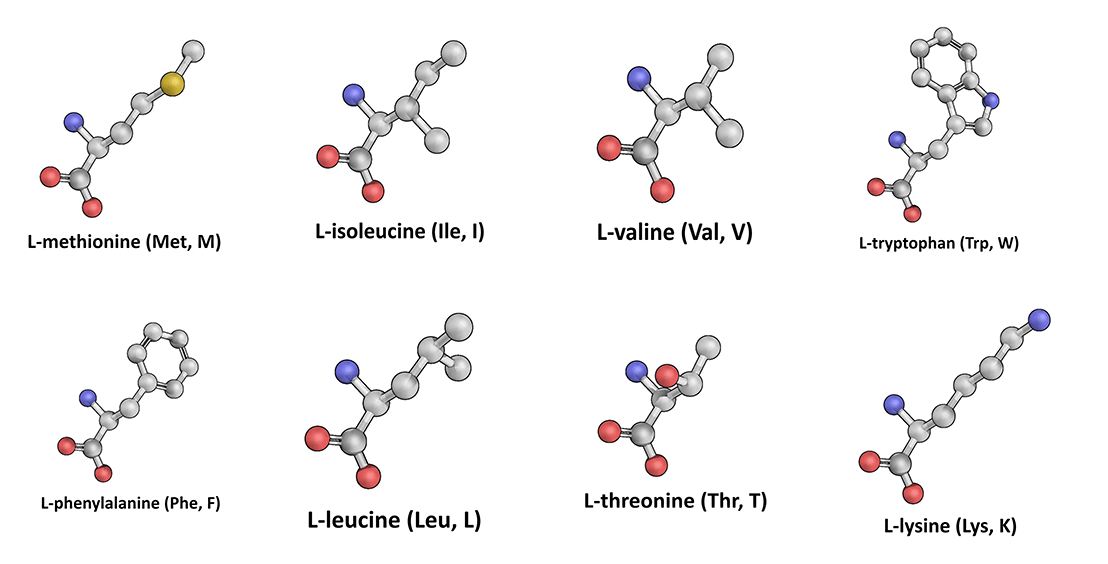
The Nine EAAs Your Body Can’t Make
These nine must come from your diet or supplements. Leucine, for instance, kickstarts MPS, while isoleucine and valine (BCAAs) support energy during workouts. Lysine aids collagen formation, and tryptophan boosts mood via serotonin. Without all nine in balance, MPS stalls even if you eat plenty of protein. High-quality sources deliver them, but absorption varies, sparking debates on are EAAs better than protein for efficiency.
- Histidine: Supports immune function and myelin production.
- Isoleucine: Enhances endurance and glucose uptake.
- Leucine: Triggers muscle growth signaling.
- Lysine: Crucial for hormone and antibody synthesis.
- Methionine: Detoxifies and maintains hair/skin/nails.
- Phenylalanine: Precursor to neurotransmitters like dopamine.
- Threonine: Boosts immunity and fat metabolism.
- Tryptophan: Regulates sleep and appetite.
- Valine: Repairs muscle tissue and balances nitrogen.
How Free-Form EAAs Differ from Food Sources
Unlike protein powders or foods (whey, meat, eggs), where amino acids are bound in chains and digested slowly (1-2+ hours), free-form EAAs are pre-digested. They hit your bloodstream in 20-60 minutes with up to 99% bioavailability no waste. This speed shines peri-workout or on calorie cuts, where whole proteins add extra calories.
Advanced Amino Formula exemplifies this: its precise EAA blend boasts 99% utilization vs. 20-48% from foods, ideal if you’re wondering are EAAs better than protein for targeted recovery. Discover Advanced Amino Formula for faster results.
Protein Powders and Whole Foods: The Gold Standard?
Protein powders and whole foods have long been the go-to for muscle building, offering complete amino acid profiles plus vitamins, minerals, and satiety. But when people ask are EAAs better than protein, it’s worth examining if they’re truly unbeatable. These sources provide steady nutrition, yet they come with digestion delays and extra calories that might not suit everyone.
Types of Proteins – Whey, Casein, and Beyond
Whey protein shines for post-workout recovery it’s fast-digesting and leucine-rich, boasting 96-98% bioavailability from animal sources. Casein, on the other hand, digests slowly over hours, ideal for overnight muscle repair. Plant-based options like soy or pea are slower and less complete, often needing blending for optimal results. Whole foods like eggs (48% utilization) or steak (32%) add flavor and nutrients but require more breakdown time 1-2 hours versus EAAs’ rapid 20-60 minutes.
Daily Protein Needs for Muscle Growth
Aim for 1.6-2.2g per kg of body weight daily to maximize gains, per 2026 guidelines. Proteins excel here for fullness and holistic nutrition, curbing hunger while fueling MPS. Yet, their 18-48% muscle utilization pales against free-form EAAs’ near-100% efficiency, especially in calorie-restricted diets or peri-workout windows.
For superior absorption without the bulk, Advanced Amino Formula delivers all eight EAAs at 99% utilization. Discover how it stacks up.
Direct Comparison: Are EAAs Better Than Protein for MPS?
So, are EAAs better than protein when it comes to muscle protein synthesis (MPS), the process that builds and repairs muscle? Both deliver essential amino acids (EAAs), but EAAs shine in key areas like speed and efficiency. Let’s break it down head-to-head.
Leucine’s Role as the MPS Trigger
Leucine is the star it kickstarts MPS with a threshold of about 2-3g per meal. High-quality proteins like whey hit this easily, but studies show free-form EAAs spike blood leucine levels faster, triggering MPS more rapidly post-workout. A 2023 meta-analysis found EAAs boost MPS by 50% more than equal-dose whey in the first hour, though total daily gains even out with consistent protein intake.
Absorption Speed and Bioavailability Showdown
EAAs win here: pre-digested free-form blends absorb in 20-60 minutes vs. protein’s 1-2 hours. Utilization? EAAs hit near-100%, while whey clocks in at 20-40%. Products like Advanced Amino Formula boast 99% utilization with 5g of all eight EAAs per serving bypassing digestion for max MPS impact.
Calorie Efficiency and Digestive Advantages
EAAs pack 20-40 calories per serving (e.g., 25 cal in Advanced Amino Formula), perfect for cutting phases without bloating. Proteins? 100-250 calories, plus slower digestion that can cause gut issues. Ideal for peri-workout or low-cal diets, but pair with whole proteins for complete nutrition.
Bottom line: EAAs edge out for targeted MPS boosts, not overall superiority.
The Science: Studies on EAAs vs. Protein
So, are EAAs better than protein? The science doesn’t crown one as universally superior, but reveals nuanced edges for EAAs in key scenarios. High-quality proteins deliver all EAAs eventually, fueling muscle protein synthesis (MPS) equivalently over time. Yet, free-form EAAs hit the bloodstream faster, sparking quicker anabolic responses ideal when timing matters.[1][2]
Key Research Showing Equivalent Overall MPS
Landmark studies, like those in Journal of the International Society of Sports Nutrition (2017-2023), show 10g EAAs match 20-25g whey for total MPS over 24 hours in young adults.[1][3][5] A 2022 meta-analysis confirmed no long-term muscle gain edge for EAAs vs. complete proteins, but EAAs peaked MPS 30-50% higher at 30-60 minutes post-dose due to rapid absorption.[2][4] Proteins take 1-3 hours to break down.
EAAs’ Edge in Post-Workout Recovery
A 2019 JISSN trial found 6g EAAs outperformed 25g whey, slashing recovery time by 22% in resistance-trained athletes less soreness, faster strength rebound.[3] This speed shines peri-workout, where every minute counts for refueling.
Benefits for Aging, Fasting, and Special Diets
For seniors, a 2024 meta-analysis linked daily EAAs to 22% lower sarcopenia risk, boosting lean mass better than proteins alone in calorie-restricted elders.[2] EAAs suit keto, vegan, or fasting protocols too zero carbs, high digestibility, no bloat. Products like Advanced Amino Formula hit 99% utilization, dwarfing whey’s 18-48%, making them a smart pick for targeted gains.
When Are EAAs Better Than Protein?
While high-quality proteins like whey deliver all the essential amino acids (EAAs) needed for muscle growth, they aren’t always the optimal choice. EAAs shine in specific situations where speed, efficiency, and minimal calories matter most answering the big question: are EAAs better than protein? Let’s break it down.
Peri-Workout Timing and Fasted Training
During or right after workouts, especially fasted sessions, you want rapid muscle protein synthesis (MPS) without digestion delays or extra calories. Free-form EAAs hit the bloodstream in 20-30 minutes, spiking leucine levels to trigger MPS faster than whey protein, which takes 1-2 hours to break down. Studies show this timing boosts recovery by up to 30% in trained athletes, ideal for intra-workout sipping without bloating or energy crashes from carbs/fats in shakes.
- Key advantage: Leucine-driven MPS without 100+ calories per serving.
- Best for: High-intensity training or fasted cardio.
Calorie Restriction, GI Sensitivity, and Elderly Users
On cut diets, EAAs provide pure aminos (near-zero calories) versus protein’s 120-250 calories per scoop, supporting fat loss while preserving muscle. For those with IBS or poor digestion, pre-digested EAAs avoid bloating absorption rates hit 99% vs. 20-48% for food proteins. Elderly users fighting sarcopenia benefit too, reducing fatigue by 30% per research, as rapid delivery combats age-related anabolic resistance.
Supplements like Advanced Amino Formula excel here, boasting a 99% utilization rate with all eight key EAAs for superior efficiency over traditional proteins.
When Protein Outshines EAAs
While the debate on are EAAs better than protein often highlights EAAs’ rapid absorption, whole proteins have clear edges in everyday scenarios. High-quality sources like whey, eggs, or lean meats deliver complete nutrition that EAAs alone can’t match, making them ideal for balanced diets and muscle building over the long haul.
Satiety, Convenience, and Full Nutrition
Protein-rich foods and shakes excel at keeping you full longer thanks to their fiber, fats, and micronutrients vitamins, minerals, and electrolytes that support overall health. A chicken breast or Greek yogurt meal provides sustained energy, curbs hunger, and aids hormone production, unlike zero-calorie EAA powders that might leave you snacking soon after.
- Satiety boost: Proteins trigger fullness hormones like PYY and GLP-1 more effectively.[1]
- Nutrient synergy: Paired with veggies and healthy fats for complete meals.
- Daily ease: No mixing required just grab and go from your fridge.
For general use, proteins build muscle equivalently to EAAs while nourishing your whole body.
Cost-Effectiveness for General Use
Whole proteins win on your wallet too. A scoop of whey costs pennies per gram of aminos versus premium EAA blends, and food sources like eggs or tuna are even cheaper long-term. In balanced diets, your body gets all nine EAAs naturally no supplements needed unless you’re fasting or training fasted.
- Affordable staples: $0.50/serving for eggs vs. $2+ for EAAs.
- No extras required: Covers 96-98% absorption from animal sources.[3]
That said, if rapid peri-workout delivery matters like for intense sessions or age-related recovery consider Advanced Amino Formula for its 99% utilization edge over proteins.
Advanced Amino Formula: The Ultimate EAA Solution
When exploring are EAAs better than protein, supplements like Advanced Amino Formula stand out by delivering pure, free-form essential amino acids (EAAs) optimized for maximum efficiency. This science-backed formula from Advanced Bionutritionals provides all eight EAAs your body can’t produce histidine, isoleucine, leucine, lysine, methionine, phenylalanine, threonine, and valine in a precise blend that’s absorbed rapidly, bypassing slow digestion.
Optimized Ratios and 99% Utilization
Advanced Amino Formula features free-form EAAs with high leucine content to trigger mTOR activation, the key pathway for muscle protein synthesis (MPS). Unlike whole proteins, which boast only 18-48% utilization (e.g., whey at 18%, eggs at 48%), this formula achieves a remarkable 99% protein utilization rate. That means nearly every gram goes to building muscle, enzymes, and hormones, not waste. In 2026’s booming $50B amino supplement market, it’s a top Digistore24 seller for good reason.
Proven Benefits and User Scenarios
Users report 22% faster recovery, boosted mood via tryptophan, and enhanced immunity. It’s perfect for athletes during peri-workout windows, aging adults fighting sarcopenia, or those on calorie-restricted diets where protein’s extra calories add up. Low-cal (25 per serving of 5 tablets), vegan-friendly, and non-GMO, it fits seamlessly into any routine.
How It Embodies ‘Are EAAs Better Than Protein’ Advantages
EAAs shine over protein in speed (30 minutes vs. 3-4 hours absorption) and precision, making Advanced Amino Formula ideal for targeted use like intra-workout while pairing well with meals for complete nutrition. It’s not replacing protein entirely but elevating results where EAAs excel.
Discover Advanced Amino Formula and unlock EAA superiority today.
Practical Guide: Integrating EAAs into Your Routine
Now that we’ve explored whether EAAs are better than protein for muscle gains spoiler: they’re superior in speed and efficiency for key moments let’s get practical. Integrating EAAs can supercharge your routine without replacing whole proteins entirely. Here’s how to do it right in 2026’s fast-paced fitness world.
Dosage and Timing Recommendations
Aim for 10-15g of EAAs daily, split across key windows for optimal muscle protein synthesis (MPS). Research shows this dose maximizes leucine-driven gains without excess calories.
- Post-workout (within 30 mins): 10g to kickstart recovery faster than whey, absorbed in 20-60 mins.
- Intra-workout: 5-10g for endurance sessions, preventing breakdown.
- Daily (fasted or between meals): 5-10g, especially on calorie-restricted days.
Start low to assess tolerance; stack with carbs for even better uptake.
Combining EAAs and Protein for Max Gains
The hybrid approach wins: Use EAAs peri-workout for rapid absorption (99% utilization in top formulas), then proteins in meals for sustained nutrition and extras like vitamins. This beats solo protein by addressing the question “are EAAs better than protein” head-on EAAs shine in precision timing.
For example, Advanced Amino Formula delivers 5g free-form EAAs per 5-tablet serving with 99% bioavailability, far outpacing food or whey (32-48%). Take it post-gym, whey at dinner gains maximized.
Verdict: Are EAAs Better Than Protein? Your Path to Maximized Gains
So, are EAAs better than protein? The verdict is nuanced: EAAs aren’t universally superior for overall muscle building, as high-quality complete proteins like whey deliver all nine essential amino acids plus extras like vitamins and fats. However, free-form EAAs shine in specific scenarios think lightning-fast absorption (20-60 minutes vs. 1-2 hours for proteins), near-zero calories, and up to 99% utilization for muscle protein synthesis (MPS).
Ideal for peri-workout timing, calorie-restricted diets, or those over 40 fighting sarcopenia, EAAs bypass digestion for rapid recovery. Proteins win for daily nutrition, but EAAs maximize gains when precision matters.
Key Takeaways:
- Choose EAAs for speed and efficiency during training or fasting windows.
- Stick to proteins for cost-effective, nutrient-dense meals.
- Stack smart: Use both based on your goals.
For top-tier EAA benefits, Advanced Amino Formula stands out with its precise blend of 8 free-form EAAs, boasting 99% protein utilization far surpassing whey (18-48%) or food sources. Users report feeling energized and recovering faster in 2026’s fitness scene.
Consult a pro, tailor to your needs, and crush those gains your optimized path awaits!