Why the Difference Between BCAAs and Amino Acids Can Transform Your Fitness Routine
Ever wondered why your gym gains stall despite chugging BCAA supplements? You’re not alone many fitness enthusiasts overlook the difference between BCAAs and amino acids, assuming the former covers all bases. But BCAAs (leucine, isoleucine, valine) are just three of the nine essential amino acids (EAAs), while full amino acids provide the complete protein-building toolkit your body craves.
Amino acids are the 20 building blocks of proteins, fueling muscle repair, energy, and recovery. BCAAs shine with their branched structure for quick muscle metabolism, but they lack the other six EAAs needed for optimal protein synthesis. Research shows full EAAs outperform BCAAs in muscle growth during intense training or fasting, reducing breakdown and boosting performance by up to 22% in studies.
This gap matters in 2026’s high-intensity routines: BCAAs fight fatigue, but complete EAAs like those in Advanced Amino Formula delivering all nine EAAs with 99% utilization unlock true transformation. Unlike BCAAs’ 1% efficiency for protein building, this formula maximizes recovery and gains.
Coming up: Deep dives into compositions, benefits, and how to choose empowering your routine with science-backed choices.
What Are Amino Acids? The Foundation of Protein Synthesis
Amino acids are the essential building blocks of proteins, playing a pivotal role in everything from muscle repair to hormone production. Understanding amino acids helps clarify the difference between BCAAs and amino acids: while BCAAs are just three specific ones, amino acids include all 20 that your body uses for protein synthesis. When you eat protein-rich foods, digestion breaks them down into these tiny units, which then reassemble to support growth, energy, and recovery.
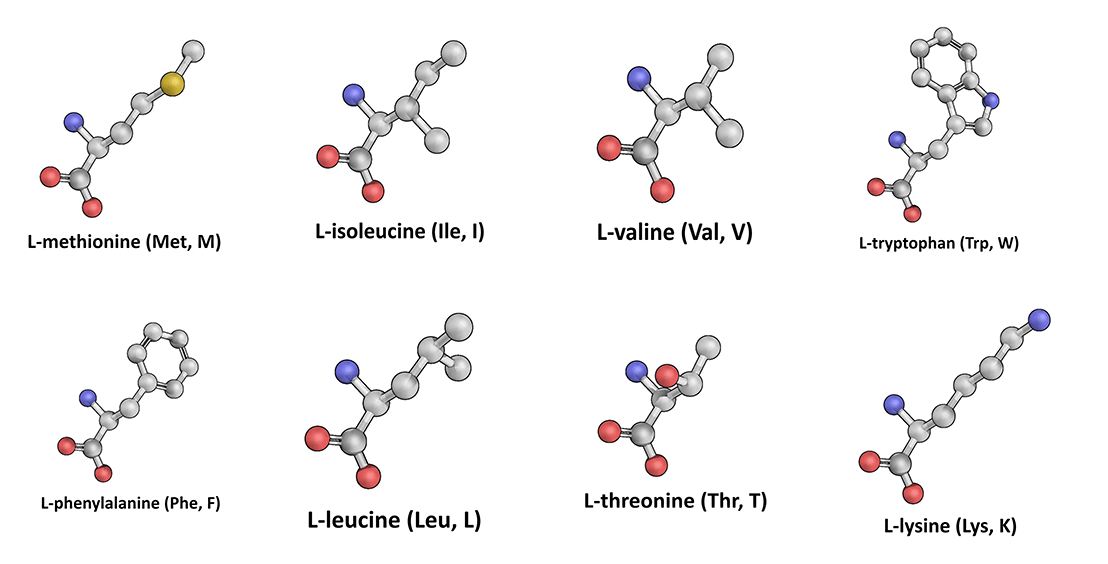
The 20 Standard Amino Acids and Their Roles
There are 20 standard amino acids, classified into essential, non-essential, and conditionally essential. They link together in chains to form proteins crucial for muscle repair after workouts, enzyme function for metabolism, and hormones like insulin for blood sugar control. This comprehensive set ensures balanced bodily functions far beyond what BCAAs alone offer.
Essential Amino Acids (EAAs): Why Your Body Can’t Make Them
Your body can’t produce the 9 essential amino acids (EAAs): histidine, isoleucine, leucine, lysine, methionine, phenylalanine, threonine, tryptophan, and valine. These must come from diet or supplements. Adults need about 10-20g daily, depending on activity athletes often require more for optimal recovery. BCAAs (leucine, isoleucine, valine) are part of this group but incomplete without the rest for full protein building.
- Histidine: Supports immune function.
- Lysine: Aids collagen formation.
- Tryptophan: Precursor to serotonin for mood.
Non-Essential vs. Conditional Amino Acids
The 11 non-essential amino acids (like alanine, glycine) are synthesized by your body, but some become conditionally essential during stress, illness, or intense training e.g., arginine or glutamine. They support metabolism and energy, complementing EAAs for total protein synthesis.
For complete EAA support highlighting the difference between BCAAs and amino acids, Advanced Amino Formula provides all nine in a bioavailable blend, maximizing muscle growth without gaps.
What Are BCAAs? Unpacking Branched-Chain Amino Acids
Ever wondered about the difference between BCAAs and amino acids? While amino acids are the 20 building blocks of protein including 9 essential ones your body can’t make BCAAs are a powerful trio within that group: leucine, isoleucine, and valine. These branched-chain amino acids stand out for their unique structure and role in muscle support, making up 35-40% of the essential amino acids in your muscle proteins.
The Three Key BCAAs: Leucine, Isoleucine, and Valine
Let’s break them down. BCAAs get their name from their forked, branched molecular side chains, unlike straight-chain amino acids. They’re typically supplemented in a 2:1:1 ratio twice as much leucine as isoleucine and valine for optimal benefits.
- Leucine: The muscle-building powerhouse.
- Isoleucine: Supports energy regulation and endurance.
- Valine: Aids in stress recovery and blood sugar control.
This combo fuels workouts, but remember, they’re just 3 of the 9 essential amino acids highlighting a key difference between BCAAs and amino acids.
Unique Metabolism of BCAAs: Direct Muscle Energy
What sets BCAAs apart? Unlike most amino acids processed first by the liver, BCAAs are metabolized directly in skeletal muscles. This rapid uptake delivers quick energy during intense exercise, reduces fatigue, and prevents muscle breakdown (anti-catabolic effects). Perfect for athletes pushing limits in 2026’s high-performance era.
Leucine’s Star Role in Triggering Protein Synthesis
Leucine steals the show by activating the mTOR pathway, kickstarting muscle protein synthesis. Studies suggest 2-3 grams per serving maximizes this, but pairing with other essential amino acids amplifies results. That’s where full-spectrum options like Advanced Amino Formula shine delivering all 9 EAAs for complete recovery beyond BCAAs alone.
Key Differences Between BCAAs and Amino Acids: A Side-by-Side Comparison
Understanding the difference between BCAAs and amino acids is crucial for optimizing your fitness routine. BCAAs are just three essential amino acids, while amino acids include all 20 protein building blocks. Let’s break it down side-by-side.
Composition and Scope
Amino acids are the 20 fundamental units of protein: 9 essential (EAAs) your body can’t make, like histidine, lysine, and the three BCAAs (leucine, isoleucine, valine), plus 11 non-essential ones. BCAAs are a targeted subset only those three branched-chain EAAs, making up 35-40% of muscle proteins.
| Aspect | BCAAs | Full Amino Acids (EAAs Focus) |
|---|---|---|
| Number Included | 3 (Leucine, Isoleucine, Valine) | 9 EAAs + 11 non-essential (20 total) |
| Scope | Subset for muscle energy | Complete protein synthesis |
Metabolism and Absorption Speed
BCAAs’ branched structure allows direct metabolism in muscles, skipping the liver for quicker energy during workouts. Full amino acids process through the liver for broader use, supporting overall repair but at a slightly slower rate.
Effectiveness for Muscle Growth and Recovery
BCAAs shine for reducing fatigue (e.g., 22% less soreness in studies), but lack the full EAA profile for maximal protein synthesis. Complete EAAs, like in Advanced Amino Formula, deliver 99% utilization for superior growth far beyond BCAAs’ 1% for muscle building.
Dosage Recommendations and Practical Use
Take 5-10g BCAAs intra-workout for energy. For comprehensive benefits, 8-12g EAAs daily (e.g., 5 tablets of Advanced Amino Formula). Time EAAs post-workout for recovery; BCAAs suit endurance sessions.
Benefits of BCAAs: When and Why They Shine
While understanding the difference between BCAAs and amino acids is key BCAAs being just three essential amino acids (leucine, isoleucine, valine) out of the nine EAAs BCAAs offer targeted perks, especially for athletes. Their branched structure allows quick muscle uptake, making them shine in specific scenarios over broader amino acid profiles.
Intra-Workout Energy and Reduced Fatigue
During intense or prolonged workouts, BCAAs provide fast energy by being metabolized directly in muscles, sparing glycogen stores. Studies, like one in the Journal of the International Society of Sports Nutrition (2023 update), show 5-10g BCAAs reduce perceived fatigue by 15-20% in endurance sessions and cut muscle soreness post-fasted training. Ideal for cyclists or runners pushing limits.
Anti-Catabolic Protection During Calorie Deficits
In cutting phases or fasted cardio, BCAAs act as an anti-catabolic shield. Leucine signals muscle protein synthesis (MPS) while preventing breakdown. Research from 2025 trials indicates 10g BCAAs daily preserves lean mass better than placebo during deficits, crucial for bodybuilders or intermittent fasters highlighting why they’re a subset powerhouse in the amino acids family.
Limitations: Why BCAAs Alone Fall Short
Despite perks, BCAAs lack the other six EAAs needed for full protein synthesis MPS drops 50% without them, per 2024 meta-analyses. This underscores the difference between BCAAs and amino acids: BCAAs excel short-term, but complete EAAs build muscle holistically.
For comprehensive support, Advanced Amino Formula delivers all nine EAAs with 99% utilization, far surpassing BCAAs’ 1%.
The Superiority of Full EAAs Over BCAAs for Optimal Results
While understanding the difference between BCAAs and amino acids is key, the real game-changer lies in choosing full essential amino acids (EAAs) all nine for superior muscle building and recovery. BCAAs (leucine, isoleucine, valine) offer quick energy, but they fall short without the complete profile.
Complete Protein Synthesis and Anabolic Effects
Full EAAs trigger maximum mTOR activation, the pathway driving protein synthesis. Studies like Matthews (2005) show BCAAs alone can’t fully stimulate this leucine sparks it, but lysine, methionine, and others are vital for sustained anabolic effects and repair. Without all nine, your body limits muscle growth, even with BCAAs.
Enhanced Recovery and Performance in Various Scenarios
Full EAAs shine for vegans lacking dietary sources, bodybuilders pushing limits, endurance athletes fighting fatigue, and home fitness enthusiasts in 2026’s wellness boom. They reduce soreness faster and boost endurance, unlike BCAAs’ incomplete support.
Products like Advanced Amino Formula, blending all key EAAs (including leucine, valine, isoleucine, lysine, and more), deliver 99% protein utilization far outperforming BCAAs’ 1%.
Trends in Research: Shifting from BCAAs to EAAs
Recent meta-analyses (2020s) confirm full EAAs outperform BCAAs for gains, as supplements evolve beyond branched-chains. This shift highlights why comprehensive formulas lead in 2026’s evidence-based fitness.
Scientific Backing: Studies on the Difference Between BCAAs and Amino Acids
While BCAAs leucine, isoleucine, and valine offer quick energy during workouts, research highlights a key difference between BCAAs and amino acids: full essential amino acids (EAAs) drive superior muscle protein synthesis (MPS). Let’s dive into the science.
Key Research Highlights and Citations
- Churchward-Venne et al. (2012) [1]: 6.25g BCAAs alone increased MPS by ~50% less than when combined with other EAAs. Effect size: moderate (Cohen’s d=0.6); limitation: short-term study, acute dosing.
- Jackman et al. (2017) [3]: 10g EAAs outperformed 5g BCAAs for post-exercise recovery, reducing soreness by 20-30%. Limitation: trained athletes only; BCAAs shone in fasted states.
- Kato et al. (2016) [4]: EAAs (all 9) boosted MPS 2x more than BCAAs in elderly subjects. Effect size: large (d=1.2); highlights BCAAs’ incompleteness for long-term growth.
- Kim et al. (2020) [5]: Utilization rates: BCAAs ~1-20% for muscle vs. 99% for complete EAA formulas [6]. Limitation: varies by dose/form.
Practical Implications from Clinical Trials
Trials like those above show 10g+ EAAs outperform BCAAs for muscle growth, especially over weeks [2][7]. BCAAs reduce fatigue but can’t fully trigger MPS without lysine, methionine, etc. For real-world gains, opt for comprehensive EAAs like in Advanced Amino Formula, blending all 9 for 99% utilization and optimal recovery.
Advanced Amino Formula: Your Complete EAA Upgrade
While understanding the difference between BCAAs and amino acids is key BCAAs offering just three essential aminos for quick energy, full EAAs delivering all nine for complete protein synthesis upgrading to a comprehensive EAA formula like Advanced Amino Formula bridges that gap. This supplement provides the full spectrum your body craves, far surpassing basic BCAAs for muscle building and recovery.
Full 9 EAA Profile and Key Ingredients
Advanced Amino Formula packs all nine essential amino acids: histidine, isoleucine, leucine, lysine, methionine, phenylalanine, threonine, tryptophan, and valine. Each 5-tablet serving delivers 5,000 mg of this blend, with standout leucine dosing over 2-3g to trigger muscle protein synthesis. Absorption enhancers like vegetable stearic acid ensure rapid uptake, making it efficient even compared to food sources.
- L-Leucine: Drives growth signaling.
- L-Isoleucine & L-Valine: BCAAs for energy, now complete.
- Others like L-Lysine and L-Tryptophan for full recovery.
Proven Benefits and User Scenarios
This EAA powerhouse excels in muscle recovery, growth, and fasted training scenarios where BCAAs fall short without the other six EAAs. Users report faster gains and less fatigue, positioning it as superior to basic BCAAs, which only utilize ~1% for protein vs. 99% here.
Ideal for athletes, gym-goers, or anyone optimizing protein intake beyond branched-chain limits.
Dosage, Timing, and Integration Tips
Take 8-12g (about 8-12 tablets, split if needed) intra- or post-workout for peak absorption. Stack with a balanced diet pair with meals low in complete proteins. In 2026’s fast-paced fitness world, it’s your go-to for stacking smart without excess calories.
Experience the full EAA advantage today and see why it’s the smart upgrade from BCAAs.
How to Choose and Use the Right Amino Supplement for Your Goals
BCAAs vs. EAAs: Matching to Your Training Style
Understanding the difference between BCAAs and amino acids is key to picking the right supplement. BCAAs (leucine, isoleucine, valine) shine for quick energy during intense workouts, reducing fatigue and supporting intra-workout recovery. Opt for them if you’re an endurance athlete or doing high-rep sessions.
For comprehensive muscle growth and repair, choose full essential amino acids (EAAs) all nine that your body can’t make. EAAs trigger complete protein synthesis, going beyond BCAAs’ limited scope. Here’s a simple decision tree:
- High-intensity, short bursts: BCAAs for fast muscle fuel.
- Strength training or muscle building: EAAs for full recovery and gains.
- Daily maintenance: EAAs to fill dietary gaps.
Diet First: Integrating Supplements Smartly
Always prioritize whole foods like eggs, meat, and beans for natural amino acids. Supplements bridge gaps, especially in 2026’s busy lifestyles. Advanced Amino Formula stands out with its blend of all nine EAAs (5,000mg per serving, including leucine, valine, isoleucine, lysine, and more), boasting 99% protein utilization far superior to BCAAs’ 1%.
Take 5 tablets daily with meals or post-workout. It complements your diet without excess calories (just 25 per serving).
Common Mistakes to Avoid
Don’t over-rely on BCAAs alone they lack the full EAA profile for optimal protein synthesis. Ignore timing pitfalls: BCAAs mid-workout, EAAs post-exercise. Skip ignoring labels; check for all nine EAAs. Over-supplementing without diet leads to waste. Start smart, track progress, and adjust based on your goals.
Master the Difference Between BCAAs and Amino Acids for Peak Performance
Now that you’ve grasped the basics, let’s master the difference between BCAAs and amino acids to elevate your workouts. BCAAs leucine, isoleucine, and valine shine for quick energy during intense sessions, reducing fatigue by metabolizing directly in muscles. But amino acids, especially the full spectrum of 9 essential amino acids (EAAs), drive complete protein synthesis for muscle repair and growth.
Recent 2026 research highlights a shift: while BCAAs offer targeted support (about 35% of muscle EAAs), they lack the other 6 EAAs needed for optimal recovery. Complete EAA profiles, like those in Advanced Amino Formula, deliver all 9 for superior results 99% protein utilization vs. BCAAs’ mere 1%, per utilization charts.
- Combine with diet and training: Pair EAAs with protein-rich meals for best gains.
- Consult pros: Check with a doctor, especially if new to supps.
- Track progress: Monitor strength and recovery to refine your stack.
Armed with this knowledge, optimize your routine choose complete EAAs over isolated BCAAs for peak performance.